micromobilitybiz Delivering news updates to the micromobility industry, focusing on e-bikes, e-scooters and green transport
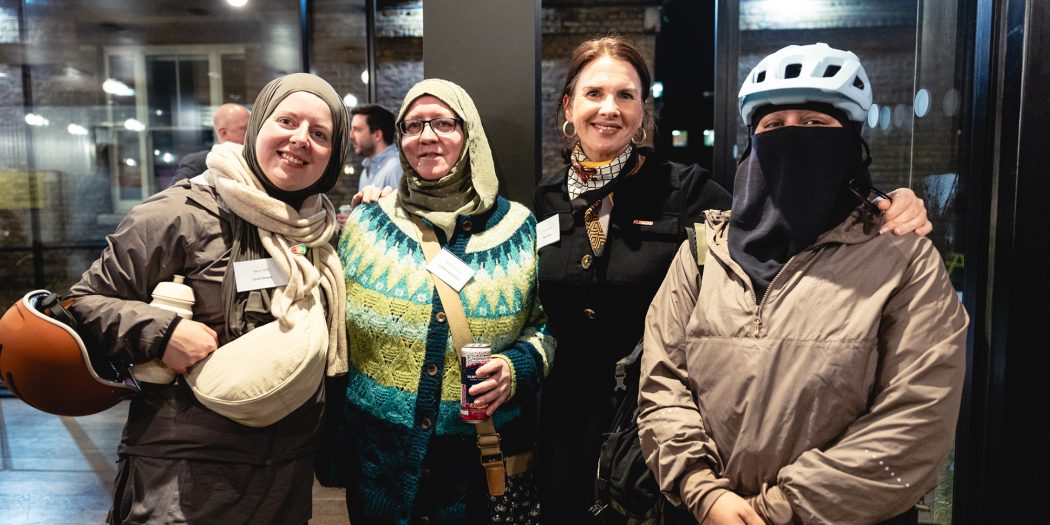
In the first of a series of upcoming contributions from Fusion Media, we hear from Trudy Harrison, Senior Advisor at Fusion Media, and her thoughts on active travel campaigning.
During my years as a Member of Parliament (MP) and Government Minister, I built a solid understanding of what cuts through to Westminster, and the power of local voices. In fact, grassroots campaigning is how I first got into politics in the first place. The most important pieces of information were not always from strategy documents or statistics, but from the people who turned up and made themselves heard.
The ones who invited me for a bike ride, flagged down a conversation at a school gate, or wrote a thoughtful email about how their child couldn’t cross the road safely. Those were the moments that really stuck. And when it comes to making a difference in active travel, they’re often the ones who move things forward.
So, what does ‘good’ campaigning look like from an MP’s perspective? What actually makes an impact?
The first thing I’d say is: keep it local. We’re elected to serve people and places, and our decisions are rooted in the everyday realities of our constituencies. If you tell me the story of your child’s walk to school, the broken dropped kerb outside your community centre, or the local café owner who’s crying out for better bike parking, I’ll remember it. I’ll feel it. I’ll relate to it. Those stories help us see how national policy affects real lives, and why the details matter.
It’s also worth drawing the line between local experiences and the national changes you want to see. That’s where MPs really come into their own. We are often the ones who carry those local truths into Westminster. The strength of a campaign isn’t only in the personal, it’s in the ability to connect the personal to a broader pattern. Why doesn’t the system work? If your town has no safe way for children to cycle to school, chances are it’s not the only one. If your local authority is struggling to spend its active travel funding, you can bet there are others in the same boat. Help make those connections. It’s where real progress begins.
One thing I wish more campaigners knew is how much positivity already exists in Parliament around active travel. It’s easy to get distracted by the headlines or social media rows, but that’s not where most MPs are coming from. When, through our work with Bikeability, we helped Olly Glover MP to secure a Westminster Hall debate relating to cycling to school, over 25 MPs turned up. That kind of attendance is rare for any topic, let alone one often dismissed as niche or ‘nice to have’.
Now, a word about communication. It does matter. Social media, emails, letters: these things really do influence how we think and feel about an issue. We’re human, after all. We can’t be experts in everything, and most of us haven’t studied transport planning or heard of concepts like induced demand. But that doesn’t mean we aren’t open to learning. If you can explain something clearly and with kindness, if you can help us see how a change could benefit our communities, you’ll go much further than any campaign pack ever could.
That said, I’d also gently suggest: avoid templated letters. I say this as someone who’s seen just about every format under the sun. When our inboxes are flooded with dozens or even hundreds of identical messages, it’s hard to give them the attention they deserve. A personal note that reflects your own experience and speaks to your MP as an individual always has more impact. Campaigns that respect the time and intelligence of the person reading them tend to go further.
There’s one invitation I always loved receiving, and that’s the offer of a bike ride. It sounds simple, but it’s one of the best ways to really understand the issues. Walking or cycling through your constituency, with someone pointing out where the paths disappear or where the traffic is too fast for children, is worth a dozen meetings in Westminster. It’s where problems become real and solutions start to take shape. Plus, it builds relationships in a way that formal settings rarely do.
Of course, this is about more than infrastructure or policy. It’s also about opportunity. The cycling and mobility industry, our economy and our environment all stand to benefit if we get this right.
Green jobs, healthier communities, thriving local businesses, cleaner air. Supporting our home-grown bike brands and creating better conditions for active travel can give a real boost to places that need it. At Fusion Media, we work with organisations who want to help shape this future, connecting industry with policymakers and helping turn good ideas into real-world change.
And yes, I’m biased. I’ve seen the transformation that comes when a child learns to ride a bike for the first time. I’ve seen the pride, the independence, and the joy. I’ve spoken to parents who felt safe enough to let their children walk to school for the first time, and to older residents who found a new lease of life through walking groups and e-bikes. I’ve worked on the policies that try to make these experiences easier and more accessible, and I’ve also felt the frustration when bureaucracy or short-term thinking gets in the way.
But change doesn’t only happen in government. It happens when communities speak up and work together. It happens when campaigners offer a vision of what’s possible, and when they invite others along for the journey. Good campaigning is personal, practical, and rooted in place. It’s hopeful. It doesn’t waste energy on battles that aren’t worth fighting, but focuses instead on what we can build together. It is also exhausting, which is why I have the utmost respect for anybody who gives up their time to do it.

If we want to create a future where active travel is the natural choice – where children ride to school, older people walk to the shops, and streets are full of life rather than cars – then we all have a role to play. And that starts with engaging the people who can help make change happen. Your MP is one of them. So reach out, share your story, and maybe offer to lend them a bike.
Because you never know, one ride might be all it takes to change someone’s view.
Trudy Harrison is a Senior Advisor at Fusion Media. She was the MP for Copeland 2017-2024, and a Minister in both the Transport and Environment departments.
Fusion’s goal is to move people and get more people moving. Fusion is a partner for brands looking to make change and create fresh ways to talk to stakeholders, customers and the media. Find out more about Fusion’s Public Affairs work on their website.