 micromobilitybiz Delivering news updates to the micromobility industry, focusing on e-bikes, e-scooters and green transport
This piece first appeared in the June edition of BikeBiz magazine – not subscribed? Get a free subscription.
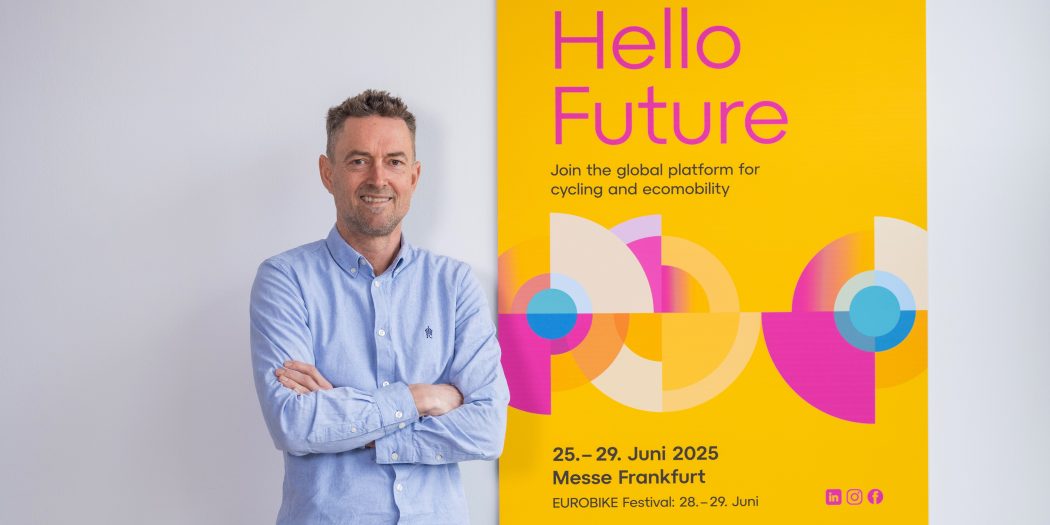
We take a moment to talk with Stefan Reisinger, CEO of fairamic, organisers of Eurobike, ahead of this year’s show to talk about changes, trends, and what’s ahead for those attending in 2025.
What is your evaluation of the recent edition of Eurobike?
We can already reveal that Eurobike is becoming more international and diverse. While participation levels vary in different regions, the show remains a key industry gathering, attracting a highly global audience. Even brands with no booths will be present with large teams, demonstrating that Eurobike remains a crucial networking platform – it’s the must-attend event in the bicycle industry.
We expect more than 1,500 companies, including many leading market players, to exhibit at Eurobike 2025. On the visitor side, we expect again +60,000 trade visitors and end consumers worldwide to attend the event.
Is there anything different from previous shows that trade attendees can look forward to at this year’s show?
Yes, we’ve increased the number of international exhibitors and curated zones that specifically target innovation and sustainability, offering a richer and more global perspective. We’ve also restructured the trade visitor days to include more targeted networking opportunities, curated matchmaking programs, and exclusive industry panels featuring thought leaders from the bike and mobility sectors.
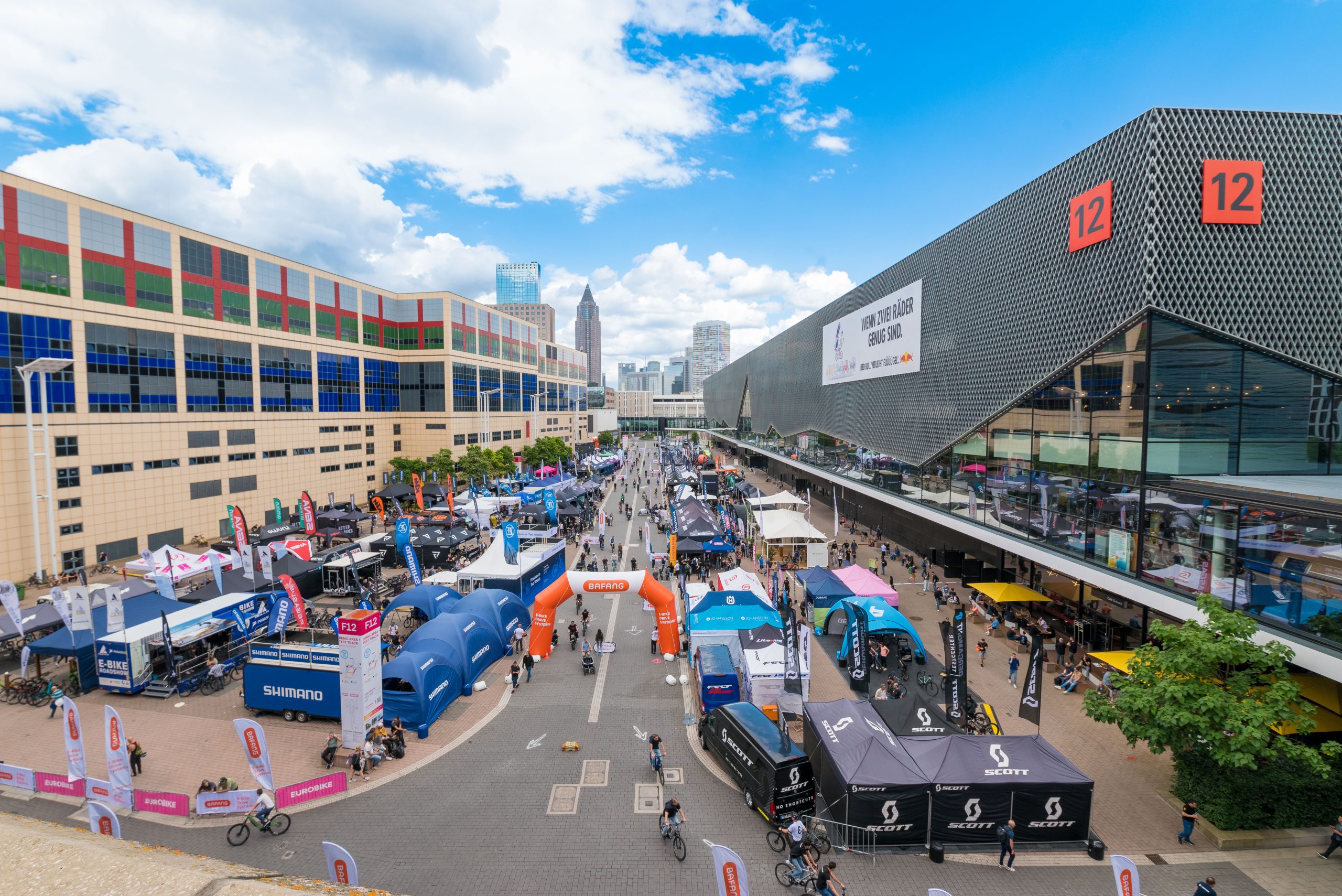
And finally, our test ride tracks and demo areas have been expanded and improved, offering trade visitors a better hands-on experience with the latest models and technologies. In short, it’s not just a trade fair – it’s a platform for the future of cycling and mobility.
What’s your overview of the current state of the bicycle industry, and are you making any major changes to Eurobike in response?
The industry is currently facing challenges, and some companies are carefully evaluating their participation in upcoming trade shows, including Eurobike. We recognise the difficult market situation that retailers, manufacturers, and suppliers are experiencing, and we want to contribute to the industry’s recovery through Eurobike 2025.
Our primary target audience for trade visitors is bicycle dealers, for whom we offer networking opportunities and training programs. In this new edition of the show, we are enhancing our commitment to the specialist trade sector. We are launching an extensive invitation campaign, developing a tailored program for professionals, and receiving strong support from the industry to reinforce Eurobike’s position as a central platform for exchange, orientation, and innovation.
With over 5,000 targeted invitations sent to dealers in the bike and ecomobility sectors across Europe, Eurobike has initiated the largest coordinated trade campaign in its history. Together with leading companies, the trade show emphasises the vital role of specialist trade within the industry.
How has the landscape of fairs/shows changed? Is there a particular model you believe we should follow, or do we need to remain more reactive to what’s happening?
The trade fair landscape has changed significantly in recent years, particularly accelerated by the pandemic, digital transformation, and evolving industry needs. Traditional formats have had to adapt – it’s no longer just about product presentation, but about offering real value through networking, knowledge sharing, and facilitating dialogue across the entire mobility ecosystem. We’re seeing that shows need to be more agile and future-oriented, reflecting how the industry is shifting towards more sustainable and interconnected solutions.
I don’t think there’s a single model we should rigidly follow. What we need is a dynamic approach—one that listens closely to the market and our stakeholders. At Eurobike, we’ve redefined ourselves not only as a platform for bikes, but for the broader transformation in mobility. That means embracing flexibility, integrating new technologies, and continuously evaluating how best to serve both exhibitors and visitors. Being reactive and proactive at the same time is key.
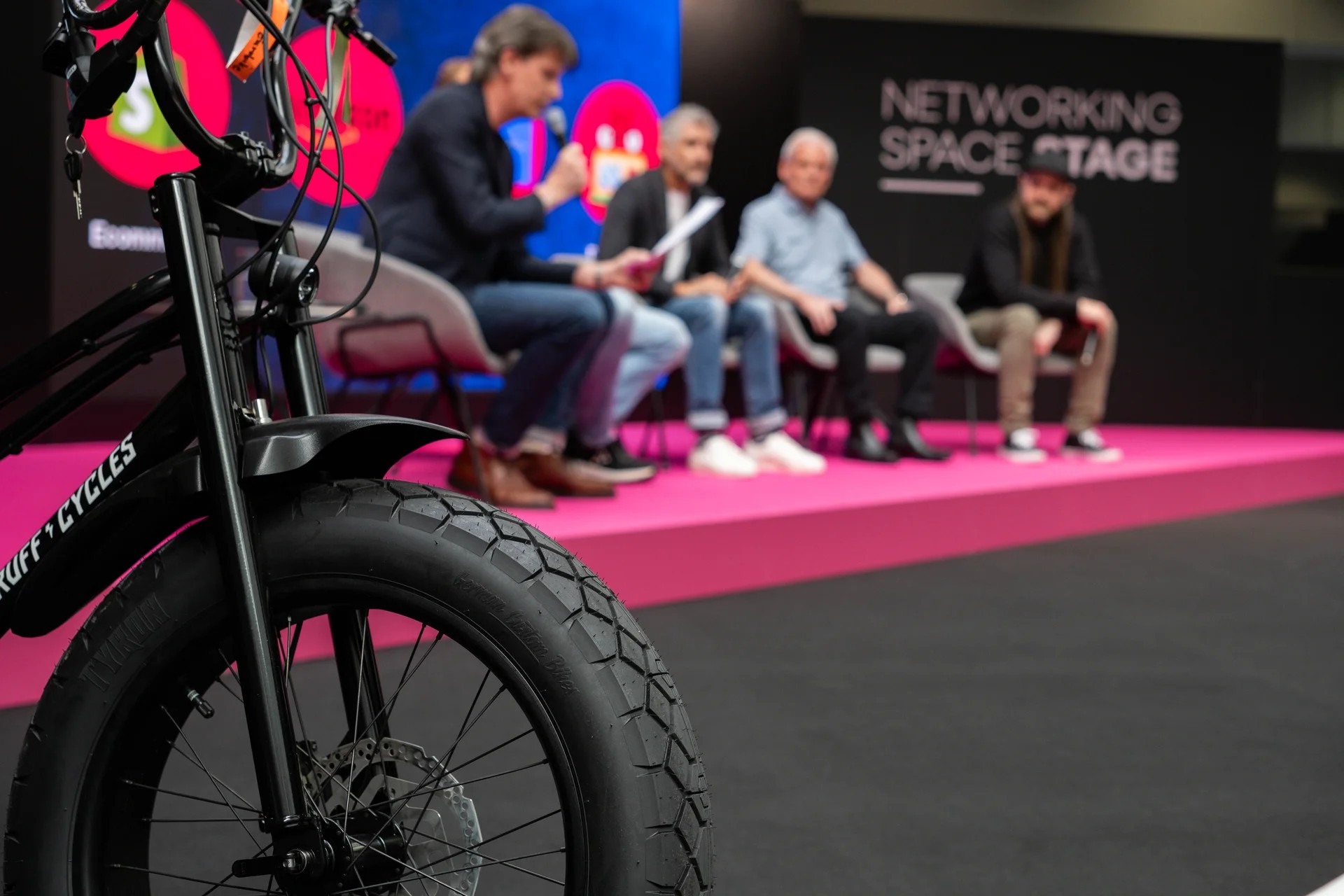
Eurobike 2025: Change is essential
How’s the overall reception to the move to Frankfurt been?
The reception of the move from Friedrichshafen to Frankfurt has been overwhelmingly positive. While some nostalgia for Friedrichshafen remains, the benefits of the new location are clear. Frankfurt offers top-notch infrastructure, excellent international transport links, and a professional exhibition environment, enhancing Eurobike’s profile and accessibility.
Furthermore, we have expanded the show’s focus to include new themes like future mobility and digital innovation. This move has transformed Eurobike into a forward-looking, international platform for the cycling and mobility industry.
Our partnership with Messe Frankfurt through fairnamic is crucial to this evolution, providing international strength, network access, and expertise in large-scale events. This collaboration allows us to explore new markets and attract diverse exhibitors and visitors, positioning Eurobike as a global platform for the future of cycling and mobility. In summary, the move to Frankfurt, supported by fairnamic, marks a new era for Eurobike.
As Asiabike Jakarta blends eMobility solutions, do you see a European or North American show doing similar in the future? Would, for example, a EverythingElectric and Eurobike collaboration – putting e-bikes in front of a pro eMobility audience, outside of the cycling sector – be a cycling industry growth tool that ensures e-bikes are seen as a transport solution and option?
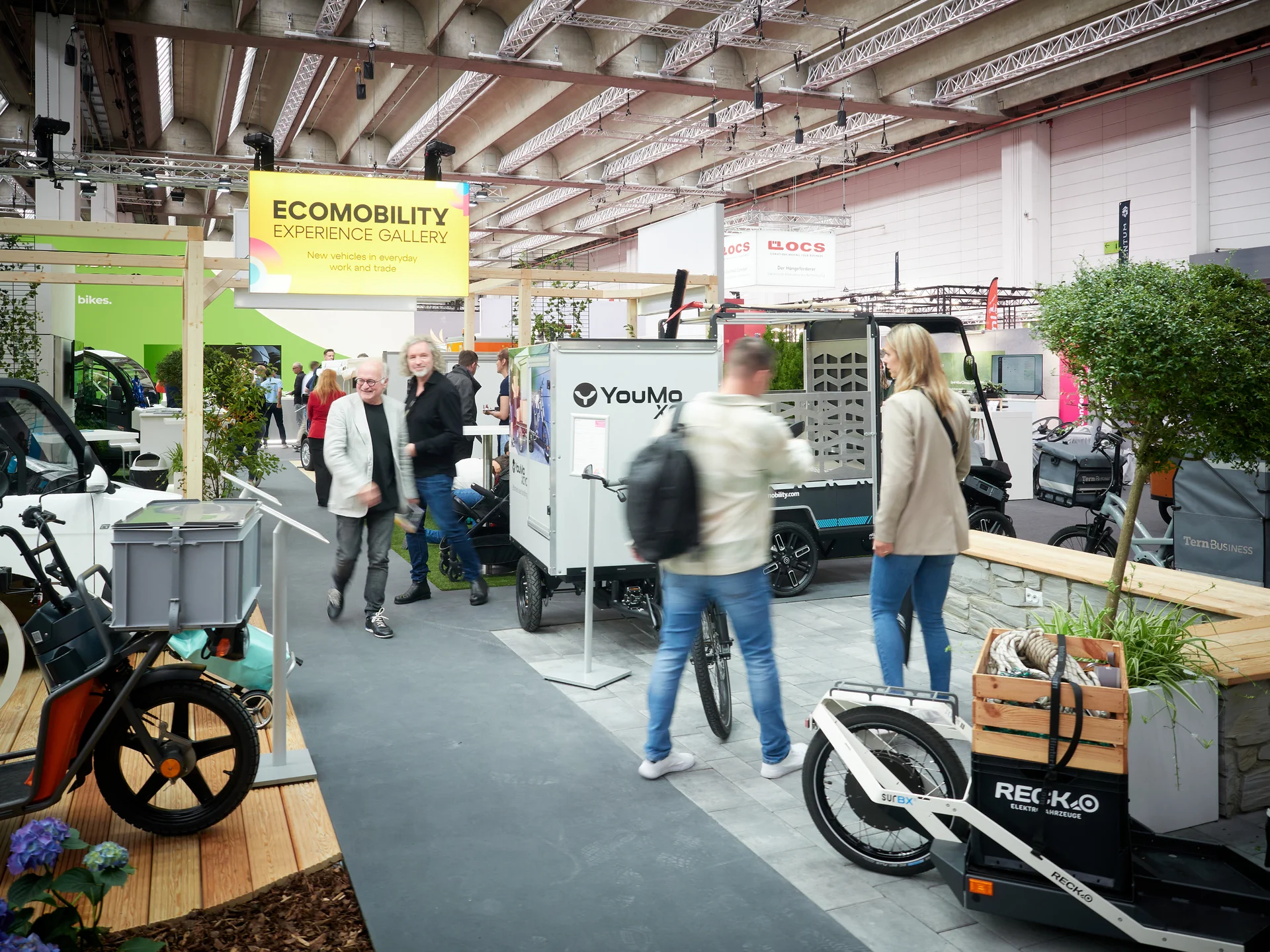
Eurobike has naturally grown into an e-bike show over the last few years, and with moving to Frankfurt, we have further expanded the show conception into ecomobility, which, from our understanding, contains the category between e-bike and cars. We are convinced that this segment will see significant growth and, even more importantly, a lot of innovation in the future.
When entering new markets like we did with Asiabike in Jakarta, we always adapt the show conception to the local market needs. In Jakarta, for example, the transition from combusting engine scooters to electric scooters is in full swing and accordingly, the main focus of our show. Expanding into either pedal-assisted (European-Style Bikes) and/or for example, road performance bikes are possible next evolution steps in the future.
Are there any new thematic areas or trends that will play a bigger role at Eurobike in the next few years?
Adventure cycling is an area that continues to grow. In 2025, the new Adventure Area at Eurobike will expand to reflect the rising interest in gravel biking, bikepacking, and cycling tourism. There is an increasing demand for reliable, high-performance equipment for long-distance travel, and we are witnessing strong engagement from exhibitors and visitors in this segment.
In this respect, the future concept of Eurobike also aims to expand further its global significance in the field of Sports and Performance.