 micromobilitybiz Delivering news updates to the micromobility industry, focusing on e-bikes, e-scooters and green transport

 As Forest becomes the latest e-bike brand to include insurance in its offering, Ross Sinclair, CEO at Insurance Experts, EIP, explores why bundling in protection should become a strategic priority for operators looking to competitively differentiate and get ahead of regulations.
As e-bike usage continues to surge across the UK, with over 75,000 shared and rental bikes circulating in London alone, the unfortunate consequence is that related accidents have also increased. One study reveals that A&E visits in relation to e-bikes increased fourfold between 2022 and 2025.
As a result, attention has naturally turned to compensation, particularly whether people who have been injured or had their property damaged by those riding on e-bikes would receive payouts. However, a recent Times investigation, which discovered that many pedestrians with life-changing injuries caused by Forest e-bike riders would not receive insurance payouts, exposes the reality of the lack of e-bike protection.
The tide may be turning as brands seek to protect their customers, innocent bystanders and their own corporate reputations.
The state of play
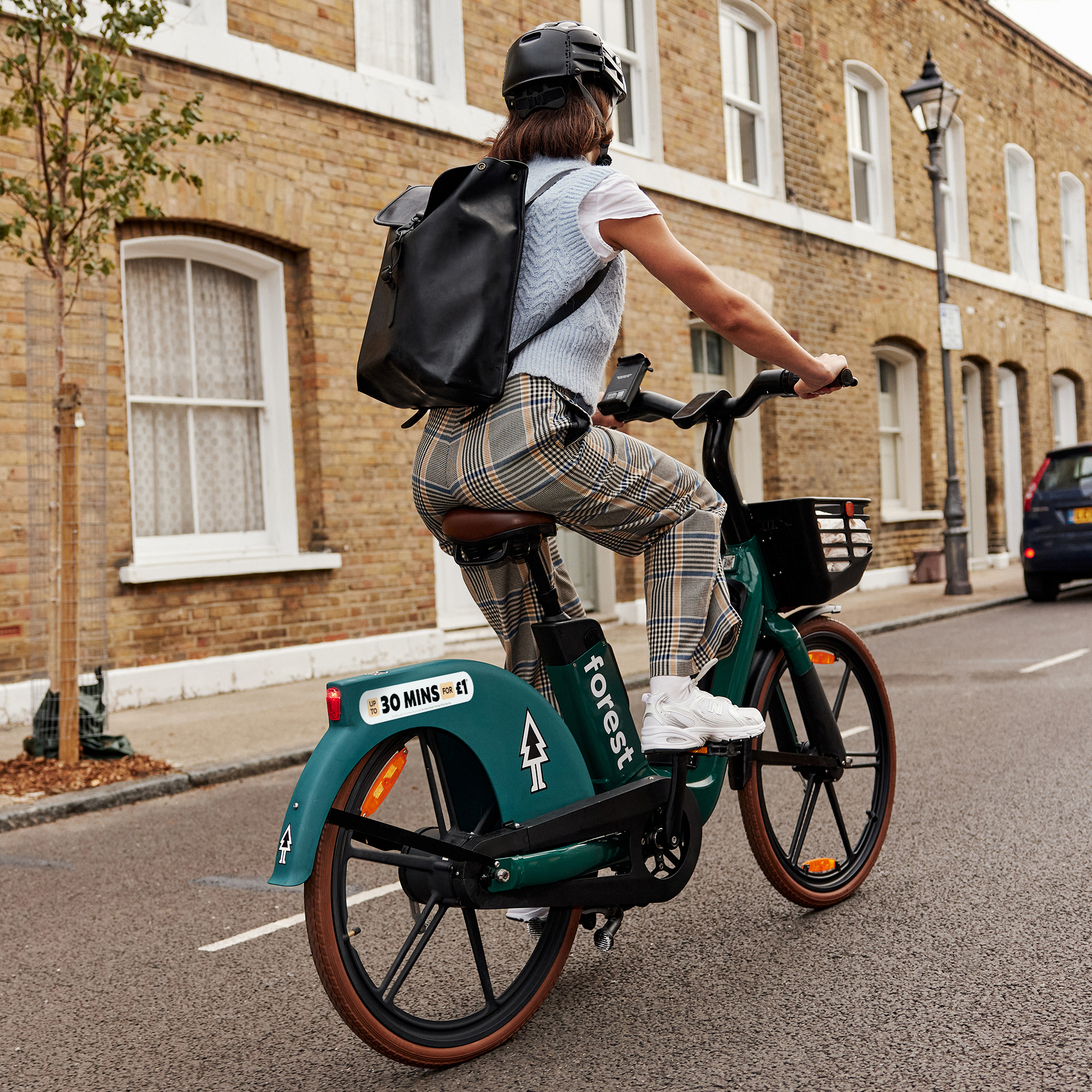
Forest, which offers e-bike rentals in 20 London Boroughs, has since announced that it will provide third-party insurance to customers from September 2026, at no extra cost. In doing so, Forest joins the ranks of Lime, Santander and Bolt, who already include insurance for their riders at a cost of around a third of a penny per minute.
For all e-bike rental companies across the UK, Forest’s latest move should be seen as a call to action, highlighting the importance of embedding insurance into their offering.
Granted, commercial e-bike rental operators are not currently legally required to carry third-party public liability insurance for riders; however, this will soon change. By logic of proportion, increased use of e-bikes and expanded fleets mean accidents to third parties will become more common, therefore driving political will towards greater regulation and protection requirements.
To some extent, this change is already on the way. The English Devolution and Community Empowerment Bill, which has royal assent, introduces the possibility for local authorities and transport bodies across the UK to take the licensing and regulation of rental e-bike schemes into their own hands. As a result, Transport for London (TfL) is already exploring how to exercise its power as a licensing authority. And with the lack of e-bike compensation in the news, enforcing operators to offer third-party insurance seems like a logical step that they, alongside other local bodies, would take.
Operators shouldn’t just wait for a formal mandate. Building third-party cover into their services now gives them time to design a proportionate product and avoid having to retrofit insurance under regulatory and reputational pressure.
Beyond rental fleets
Bike rental firms are not the only companies whose models depend on e-bike journeys. Delivery platforms such as Uber Eats or Deliveroo are another important part of the picture, with couriers using owned or leased e-bikes for commercial work.
These platforms should require riders using e-bikes for deliveries to evidence insurance that is appropriate for commercial use. Better still, they should make that protection simple to obtain by embedding a tailored product into rider onboarding from the outset.
Mandating coverage demonstrates good corporate responsibility and minimises reputational blowback by ensuring that there is compensation available to riders and/or bystanders injured should an accident occur.
The value of integrated protection
While e-bike riders can purchase standalone cycling insurance policies that extend public liability protection to hire or rental bikes, few do, and there are significant benefits for e-bike rental companies to offer protection themselves as part of their services. Doing so turns the insurance process on its head, for the better.
Insurance has traditionally been treated as a separate item, one that has to be sought out, researched and bought in addition to the product or service to which it relates. However, digitisation has closed that gap by enabling cover to be purchased online at the point of need in just seconds.
E-bike operators are particularly well placed to benefit. Because riders are already inside the rental app at the exact moment that their ride – and therefore the potential risk – begins, insurance can be neatly folded up into the ride fee, with no extra effort needed.
Once they arrive at their destination, the rental of the bike and therefore coverage ceases. This pay-as-you-go approach means that riders have peace of mind when renting a bike as they know that they are protected should they have an accident.
Realistically, given that many riders are unlikely to stop and search for an insurance product in the moments before they rent a bike, embedded insurance works to close the coverage gap within e-mobility rental, ensuring that third parties or their property are covered in the event that a rider hits them.
If done correctly, this moves insurance from an afterthought to a new layer of service that supports the customer from the moment they rent a bike, making it an attractive offer to court potential customers.
Tailoring protection even further
Beyond this, there is scope for micromobility companies to go one step further and use IoT data to tailor their insurance offerings. By leveraging GPS data showing rider speed, route, ride frequency, and braking and acceleration data, rental companies can incentivise safer riding, much like ‘black boxes’ in cars or vans already do.
As e-bikes continue to reshape urban transport, responsibility cannot stop at rental apps. Rental operators should embed third-party protection as standard and delivery platforms should require and facilitate suitable cover for commercial riders. Policymakers, meanwhile, are likely to face growing pressure to consider what proportionate protection should look like for private users.
The operators that act before they are legally required will not only reduce potential exposure but put themselves in a prime position as the e-bike boom continues.