 micromobilitybiz Delivering news updates to the micromobility industry, focusing on e-bikes, e-scooters and green transport

A new nationally representative survey of 2000 UK adults, commissioned by BatteryIQ, shows strong
interest in e-bikes, with 37% of the public interested in owning one. The overwhelming majority of those interested in e-bike ownership intend to use it for active travel, with only 5% of respondents saying an e-bike would be exclusively used for leisure riding. The survey shows significant opportunities for e-bikes to replace some car journeys; however, battery safety concerns appear to be limiting this potential transition to active transport.
Appetite for Active Travel
The survey highlights the potential for e-bikes to reduce car use. Among those interested in owning
one, 84% said it would replace some car journeys. 28% would use an e-bike for some journeys under
five miles in lieu of a car, 29% would replace all car trips under 5 miles, while a further 28% would
take all their sub-5 mile journeys by e-bike instead of cars, as well as some longer ones too. Only 3%
said they would replace all car journeys, indicating cars remain important for longer distances.
Concerns Around Battery Safety
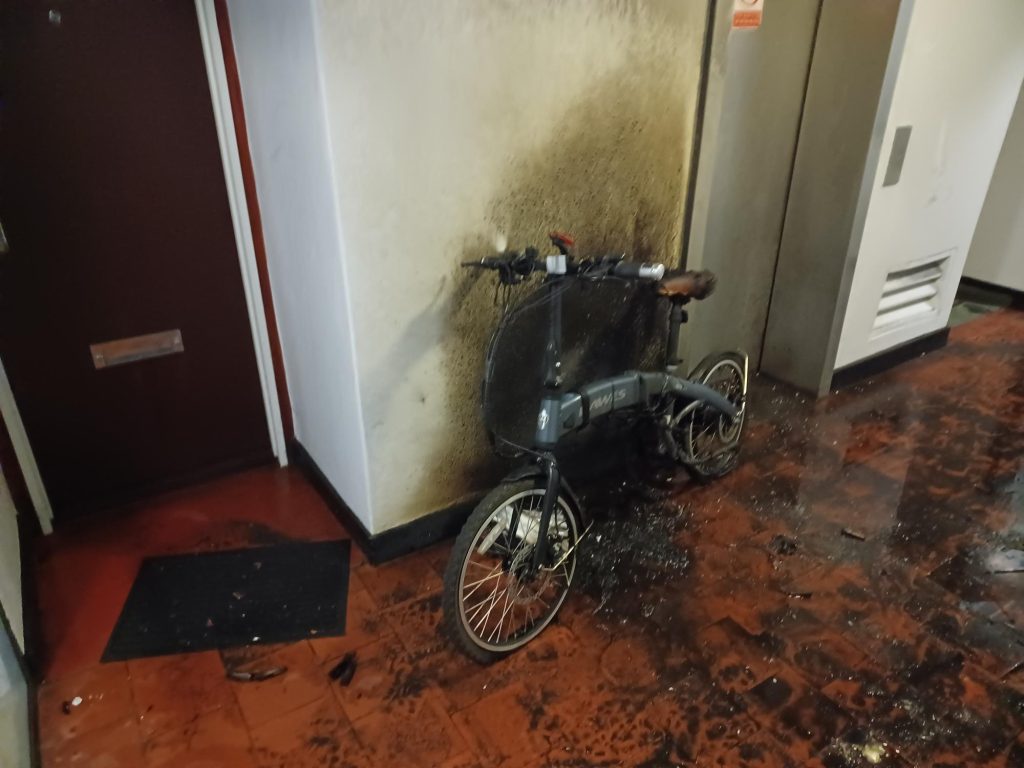
Whilst battery fires are rare in high-quality products from known brands, the fear created by
headlines from poor-quality or unregulated systems causing fires is widespread. Awareness of battery fire risks is high, with 75% of respondents at least somewhat aware that e-bike batteries can cause fires. This is affecting people’s appetite to purchase e-bikes: 48% said headlines about battery fires would significantly put them off owning an e-bike, while 33% said they would be put off to some extent.
When asked about perceived risks with e-bike usage, 48% selected battery fires, which was deemed the biggest risk, over and above factors which are typically seen as the biggest risks with mechanical bike riding: traffic on roads (38%) and lack of dedicated cycling infrastructure (23%).
However, better safety measures could improve confidence, and people are prepared to pay extra to
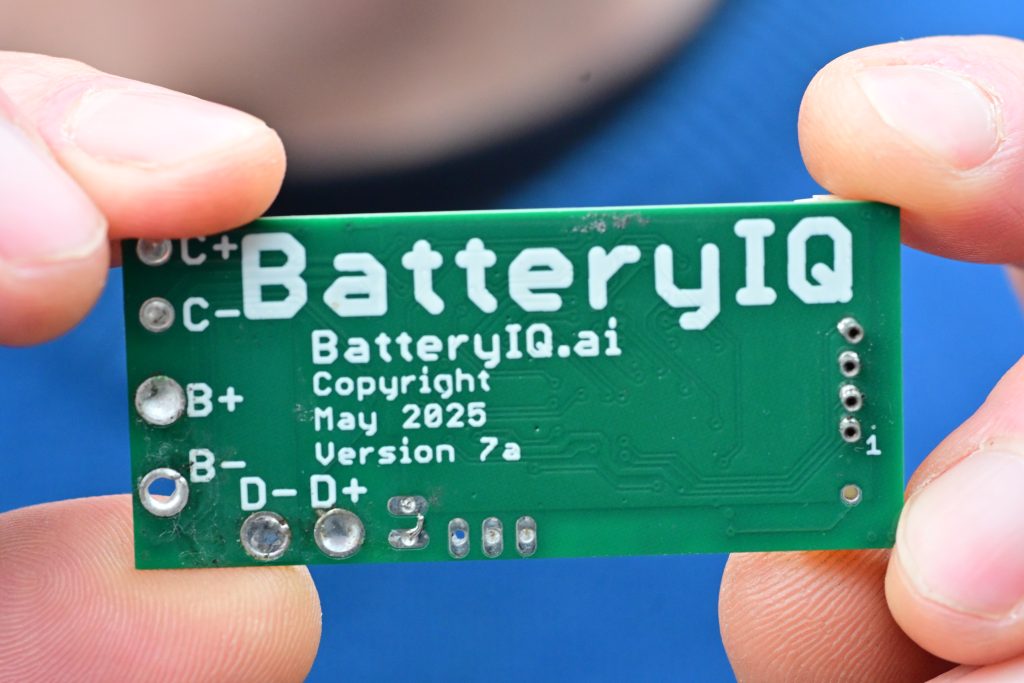
ensure their e-bikes are safe to use. 51% would pay more than £50 extra for a battery with a significantly lower fire risk. In addition, over a third (34%) said they would feel reassured by connected battery safety monitoring, such as that offered by BatteryIQ.
E-Bike Pricing limits wider adoption
There is a clear gap between consumer price expectations and what is available from the mainstream
bike industry. Nearly a third of the general public (31%) believe a good-quality e-bike should cost
under £1,000, while 22% expect prices between £1,000 and £2,000. Only 12% expect prices above
£2,000, where most branded e-bikes sit. Meanwhile, 35% said they do not know what a good-quality
e-bike should cost, which perhaps reflects that 39% of respondents were “not at all interested” in
owning one.
Conclusions
Overall, the findings suggest strong demand for e-bikes, but battery safety concerns remain a key
barrier. Addressing these concerns through improved technology and clearer communication could
help unlock wider adoption in the UK.
Nick Bailey, the founder of BatteryIQ, which provides a system to continuously monitor the safety of
e-bike batteries, said “e-bike batteries involved in fires are generally low-cost, low-quality products
lacking basic safety protection, or are bodged-together DIY batteries.
“Despite fires in good-quality batteries being rare, fears about them are very real and it’s slowing down
a major shift toward cleaner, healthier transport. This research shows there is high demand for e-mobility in the UK, but that consumers want reassurance, transparency, and smarter safety technology. BatteryIQ gives riders confidence by monitoring battery health in real time and alerting them to issues before they become dangerous.”
The survey was conducted by OnePoll (onepoll.com) on behalf of BatteryIQ with responses
from 2000 nationally representative UK adults between 5th and 11th March 2026.