micromobilitybiz Delivering news updates to the micromobility industry, focusing on e-bikes, e-scooters and green transport
New rankings reveal that swapping a petrol car for an electric vehicle (EV) or bicycle offers the biggest annual CO2e savings per household, yet 90% of Brits surveyed by YouGov said they had no plans to make this change.
The research, conducted by bicycle retailer Paul’s Cycles, identifies a disparity between the sustainable changes UK households are committing to and the actual environmental impact of those swaps.
-
The sustainable change with the biggest impact, switching from a petrol car to an EV or bicycle, is reported by the fewest number of Britons (9%), but is estimated to save the most CO2e per year (1,500-2,000kg).
-
Using reusable bags, containers and water bottles (58%), minimising food waste (58%) and reducing single-use plastic consumption (46%) are the most common eco-swaps, but their impact is smaller than other changes.
Smaller swaps matter and have additional benefits, but one simple action could achieve a significant impact. The range of small changes people are making shows that Brits are engaged and committed to being sustainable.
|
Rank |
Lifestyle change |
Assumed action |
Annual CO2e saving per household (kg) |
Percentage of Brits making this change |
|
1 |
Switching from a typical petrol car to other methods, such as a bicycle or electric vehicle |
Replacing all annual car journeys with a bicycle or switching to a BEV |
1,500 – 2,000 |
9% |
|
2 |
Investing in Eco-Friendly Home Improvements (Option A: Solar) |
Installing a typical 4kW domestic solar panel system |
750 – 2,000 |
12% |
|
3 |
Investing in Eco-Friendly Home Improvements (Option B: Insulation) |
Installing solid wall insulation in a previously uninsulated home |
900 |
12% |
|
4 |
Carpooling or using public transport |
Switching from driving alone to carpooling or using the bus/train for commuting |
470 – 720 |
28% |
|
5 |
Minimising Food Waste |
Eliminating the 210 kg of food wasted by the average household annually |
533 |
58% |
|
6 |
Choosing Sustainable and Eco-Friendly Products |
Halving new clothing purchases and extending garment life (per person) |
178 |
33% |
|
7 |
Conserving Water and Reducing Water Waste |
Reducing household water consumption by 15%, focusing on hot water |
145 |
39% |
|
8 |
Composting Organic Waste |
Diverting 136.5 kg of household food scraps from landfill to home composting |
54 |
25% |
|
9 |
Utilising reusable bags, containers, and water bottles |
Consistently using reusable alternatives to single-use items like bottles, cups, and bags |
45 |
58% |
|
10 |
Reducing Single-Use Plastic Consumption |
Halving the consumption of non-essential plastic packaging |
39 |
46% |
|
11 |
Planting Trees |
Planting one new tree and ensuring its growth to maturity |
25 |
12% |
Cost will naturally be a key factor influencing survey participants’ sustainability swaps. Though opting to cycle instead of driving for some journeys is far cheaper than the second most impactful change, installing solar panels (estimated at £4,500 to £5,500).
Shifting just one trip from car to bicycle per day saves the average person 3.2kg of carbon. Over a year, this would equate to:
-
Heating the average household’s boiler for over three months
-
Flying an entire plane of passengers to New York and back from London
-
Talking to ChatGPT for nearly 4,000 hours
-
Watching the entirety of Friends 186 times
-
Producing nearly 500 McDonald’s Big Macs (497)
When asked why more people aren’t cycling, Tom Thornley, Managing Director of Paul’s Cycles, said the main barriers are “commute distance, weather, road confidence and access to bicycle storage”.
However, Thornley adds that practical gear can make the transition easier. “Buying equipment that makes your bike feel more ‘car-like’ can help,” he said. “A simple rain shell and cheap hi-viz seat cover mean you never have to sit on a wet saddle, while a rear rack and panniers let you ride hands-free.” He also recommends full-coverage mudguards, bright always-on lights, and a high-quality lock.
Despite these barriers, cycling retailers have noticed a positive shift in customer behaviour. “In the last few months, we’ve had more conversations in-store with people who are new to cycling or returning after a long break, asking about the right setup for everyday use,” Thornley said. “That shift suggests more customers are starting to see bikes not just as leisure purchases, but as a genuine transport solution for their daily lives.”
Paul’s Cycles has rounded up the UK’s top car-free cycling spots for anyone wanting to experience cycling before making it part of their daily routine.
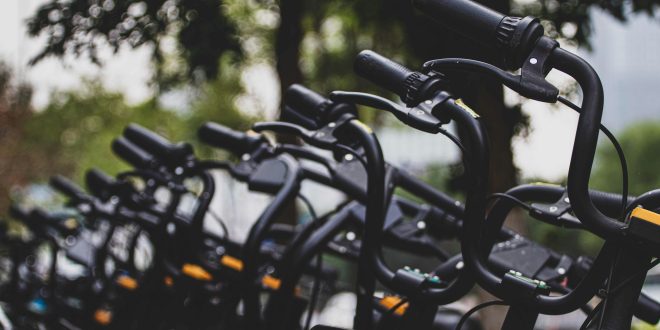
Image: Michael Myers-Unsplash (provided by Candour Agency Ltd t/as Candour)